
Hello, World!
Identifying a Tick You Have Removed
Martha's Vineyard is home to three tick species that bite humans. Knowing which tick bit you matters: different species carry different diseases, and species identification can guide your clinical evaluation.
Deer Tick (Black-Legged Tick)
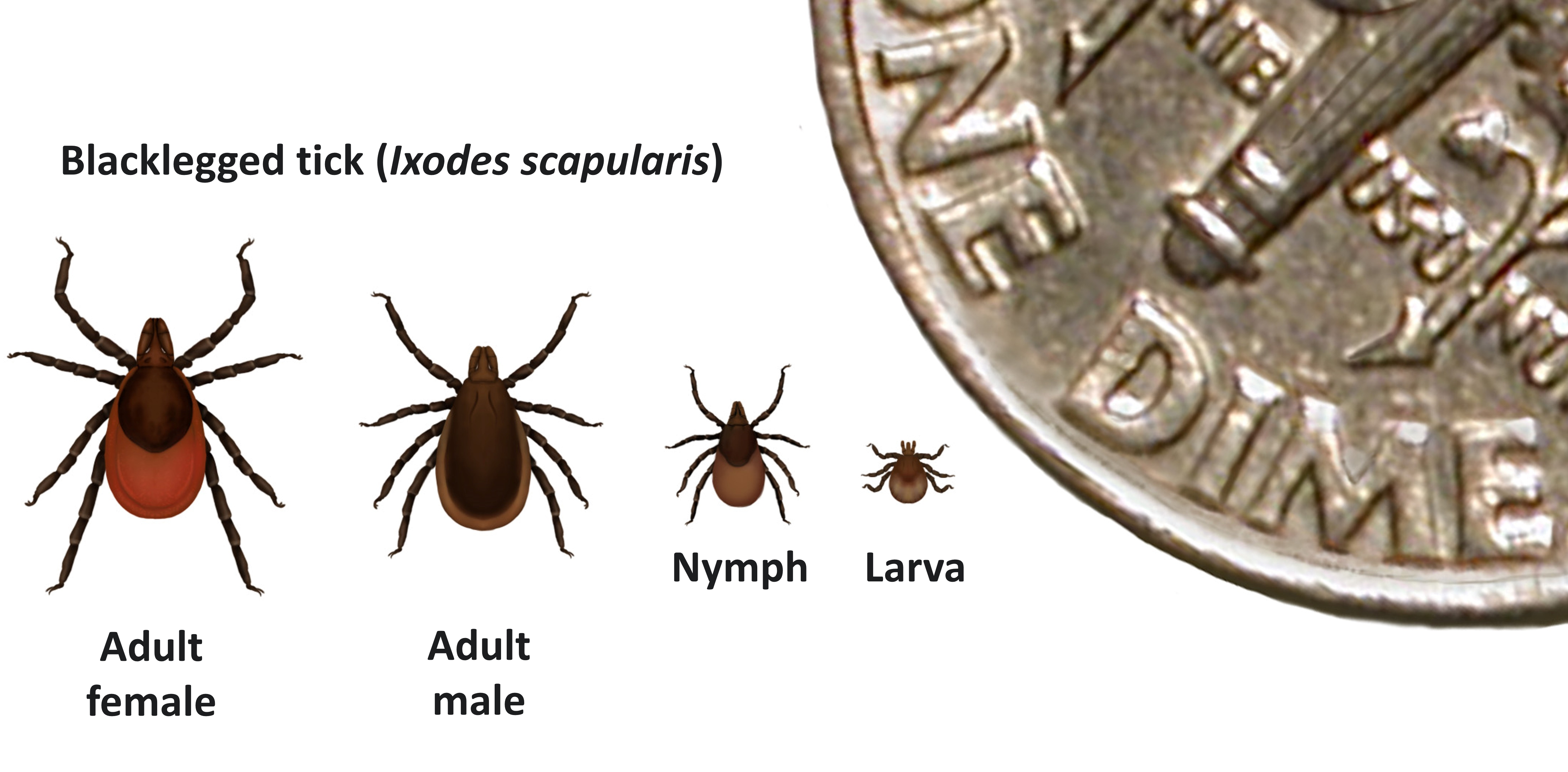
Larva · Nymph · Adult male · Adult female · Dime for scale
Image: CDC / Public domain
Diseases carried: Lyme disease, babesiosis, anaplasmosis, Powassan virus, borrelia miyamotoi
Appearance: Very small — a nymph is the size of a poppy seed. Adult females are reddish-orange with a dark scutum. Males are uniformly dark brown. All life stages bite humans.
Peak activity: Nymphs most dangerous May through July. Adults active fall through early spring whenever temperatures exceed 40 degrees.
Lone Star Tick
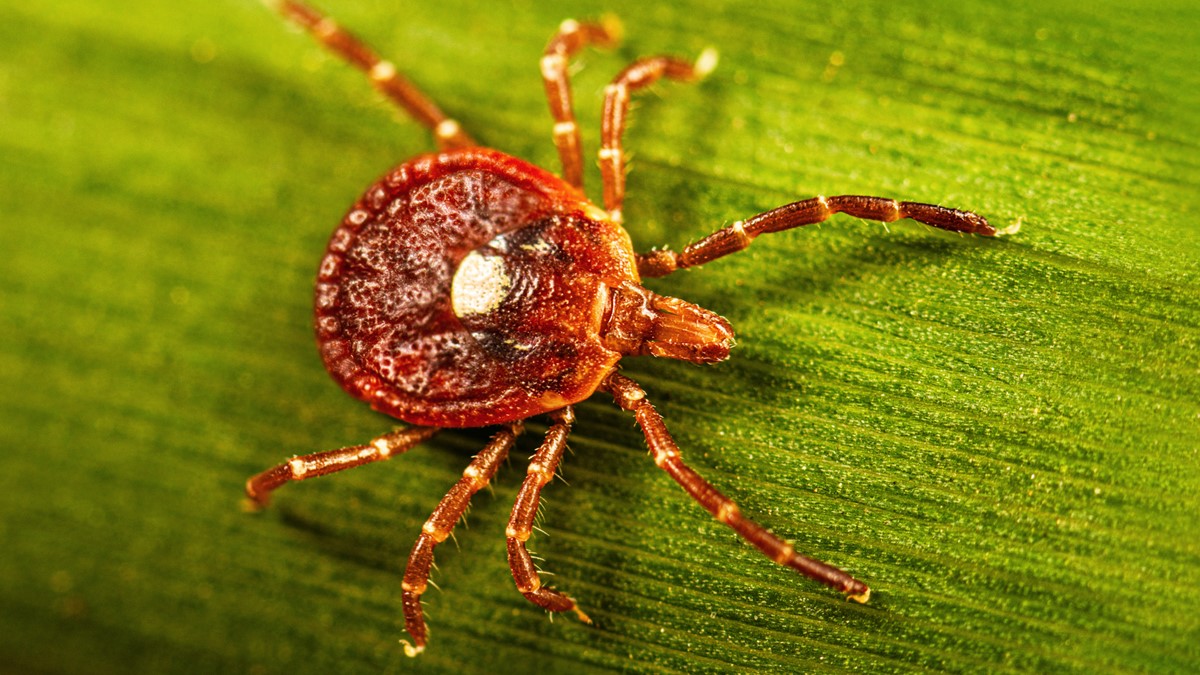
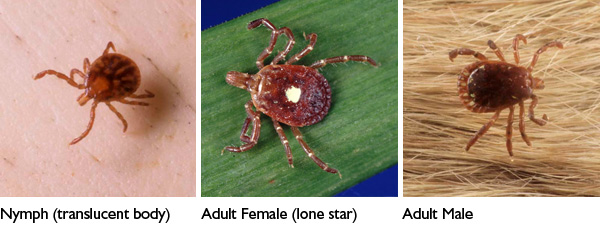
Larva · Nymph · Adult male · Adult female (note white dot)
Images: CDC / Public domain; Inter-Island Public Health
Diseases carried: Ehrlichiosis, tularemia, STARI, and the primary cause of alpha-gal syndrome
Appearance: Reddish-brown. Females have a single distinctive white dot on their back — the “lone star.” Larger than a deer tick nymph, smaller than a dog tick.
Peak activity: Larvae and nymphs active spring through summer. Formerly rare on the Island, now fully established and abundant.
American Dog Tick

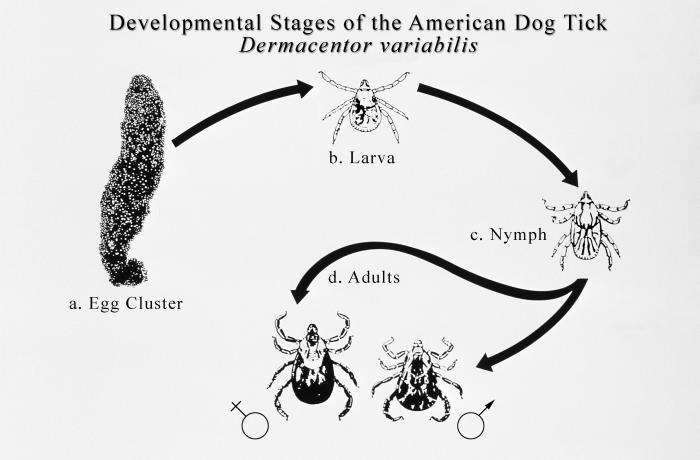
Adult female (top) · Eggs, larva, nymph, adult male and female (bottom)
Images: CDC PHIL #170 and #16568 / Public domain
Diseases carried: Tularemia, Rocky Mountain spotted fever
Appearance: Large and easy to spot. Mottled brown-and-cream patterning. Noticeably larger than both the deer tick and lone star tick. Found at the ends of grasses in dunes and meadows.
Peak activity: Adults active spring through fall. Not found on Nantucket.
Free Tick Identification Resources
TickSpotters (URI)
The University of Rhode Island TickEncounter Program provides free photo-based identification by tick experts, plus a science-based risk assessment. Submit a photo and receive expert feedback. Visit uri.edu/tickencounter.
islandspublichealth.com
The Inter-Island Public Health Excellence Collaborative maintains a dedicated tick identification page with photos of each Island species at every life stage. A useful first reference for self-ID. View the ID guide.
TickCheck (Lab Testing)
For patients who want to know what pathogens the tick was carrying. Free app with photo ID, plus paid PCR-based lab testing that detects Lyme, babesia, anaplasmosis, and seven other tick-borne diseases. Visit tickcheck.com.
DETICKT AI-powered · Free
A free AI-powered app that identifies 20+ tick species from a photo with 97% accuracy and generates a location-based risk assessment for tick-borne diseases. Also tracks symptoms after a bite. Visit detickt.com.
How to Remove a Tick
- Use fine-tipped tweezers or a tick-removal tool. Grasp the tick as close to the skin as possible.
- Pull upward with steady, even pressure. Do not jerk or twist.
- Do not squeeze the body. Do not use petroleum jelly, heat, or other folk remedies.
- Clean the bite area with rubbing alcohol or soap and water.
- Save the tick in a sealed bag or container if you want to submit it for identification or testing.
- Contact your provider if you develop a rash, fever, fatigue, or joint pain in the days or weeks following the bite.
Tick Prevention
Martha's Vineyard has the highest burden of tick-borne illness in Massachusetts, with rates of Lyme disease and babesiosis more than 11 times the state average. Prevention is the most effective protection available. As MV Tick Program director Patrick Roden-Reynolds notes: nothing good ever came from a tick bite.
The strategies below are recommended by the MV Tick Program and the Inter-Island Public Health Excellence Collaborative.
Repellents
Use repellents containing one of these EPA-registered active ingredients on exposed skin:
- DEET (20 to 30%)
- Picaridin
- IR3535
- Oil of lemon eucalyptus
- 2-undecanone
Use the EPA's Find the Repellent Right for You tool to select the best option for your activity and time outdoors.
Permethrin-Treated Clothing
Permethrin is applied to clothing and gear, not skin. It kills ticks on contact and remains effective through many washes. It is one of the most reliable protections available for Island residents and visitors.
- Buy pre-treated clothing at outdoor retailers
- Send your own clothing to InsectShield.com for professional treatment (lasts 70 washes)
- Island residents and visitors: use code MARTHASV2026 for 15% off
Protective Clothing and Habits
- Tuck pants into socks and shirt into pants
- Wear light-colored clothing to spot ticks more easily
- Leggings and snug-fitting clothing block ticks from reaching skin
- Stay to the center of trails; avoid leaf litter and tall grass
- Shower within two hours of coming indoors
- Tumble dry clothes on high heat for 10 minutes to kill ticks
Daily Tick Checks
Check yourself, children, and pets after any time outdoors. Nymph deer ticks can be the size of a poppy seed. Focus on:
- Under the arms and around the waist
- In and around the ears
- Inside the belly button
- Back of the knees and between the legs
- In the hair and at the hairline
For alpha-gal patients: Avoiding new tick bites is not just prevention, it is part of your treatment. Continued tick bites worsen sensitivity and reduce the chance of remission. Stopping tick bites is one of the most important steps you can take to improve your condition.
More resources: islandspublichealth.com — Prevent the Bite | MV Tick Program video library (Vimeo)