What I Learned in The First Six Months.
January 5, 2026
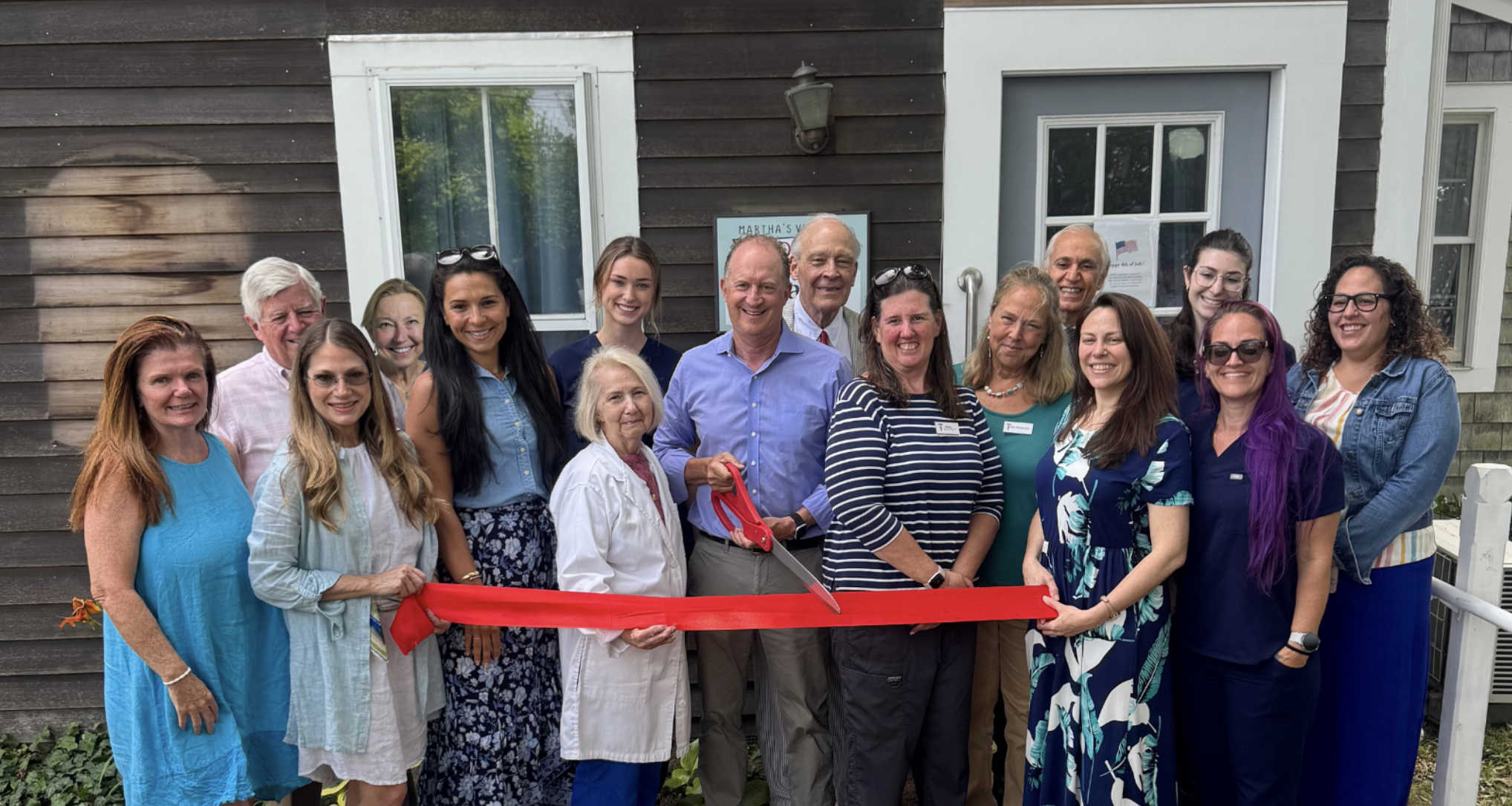
I’m not a doctor. I’m a serial entrepreneur with my share of losses and wins. I’ve spent summers on the Vineyard my entire life. In 2024, my wife and I became full-time residents. Like so many, we still headed off-Island to see our doctors. And then, last February, I read that the Island’s only independent primary care practice was on the verge of closing.
I knew exactly what that would mean. Access to health care here is already fragile, and if the practice shuttered, another 1,000 Islanders would lose their primary care provider overnight, and thousands more would have only the emergency room for their urgent care needs.
The consequences for the Island would be severe if someone didn’t step up. So I did.
Across the country, independent rural medical practices are disappearing, undermined by federal funding cuts, corporate consolidation and relentless financial pressure. Between 2019 and 2024, more than 3,300 rural practices closed. That erosion of care isn’t abstract. It’s personal. Access to health care, like a living wage and affordable housing, is foundational to any community.
This practice has been around for more than 40 years, but I approached it like a startup. When I took it over, what was then known as Vineyard Medical Care was losing nearly $200 an hour every hour that it was open. That reality required serious restructuring, but not by cutting back. With so many Islanders in need of health care, the right move was to grow our way out of the hole.
As I dug in, I learned that the practice was built on the shoulders of two remarkable men. The original founder, Michael Jacobs, cared for Island families for more than three decades. Michael Loberg carried that mission forward for the next decade and created the Martha’s Vineyard Tick-borne Illness Reduction Initiative, now recognized nationally as a model for community-driven public health.
This wasn’t just a business. It was a community institution.
Early on, my wife said something that really resonated: to have a healthy Island, we needed a healthy practice. So we started by investing in our people. For the first time, we offered health insurance. We ensured everyone earned a living wage. We offered part-time work, flexible schedules and remote options.
The result? We retained every single member of our team - all of our providers and all of our staff. And then we began to grow. We expanded hours. We hired additional providers and staff. With a larger team, we cleared our waitlist. Over the next six months, we added over 400 new primary care patients, and we are actively accepting more.
With all that upfront investment, we’re still losing money, but we’re close to break-even. That matters. Because the goal isn’t to survive on government funding or charitable donations. The goal is to operate sustainably by being paid fairly for the care we provide.
Another hard truth: Small, independent practices have very little leverage with insurance companies. Even as part of a larger physician organization on the Cape, we cannot negotiate favorable reimbursement rates. In some cases, providing care to insured patients actually means losing money. That’s a difficult reality, but it’s the one we’re operating in.
Yes, we’re busy in the summer. We treat everything from tick bites to poison ivy and relieve significant pressure on the hospital's emergency room. Roughly half of our visits come from people who are not our primary care patients.
Healthcare costs are already a burden for many families. But here's the reality: For those walk-in visits, we charge a modest convenient-care fee to help cover costs and keep the doors open. Without it, we simply cannot sustain the level of access the Island needs, especially during peak season when demand can overwhelm our capacity.
If you need a provider and want to avoid the convenient-care fee, becoming a primary care patient is the best option.
The most consistent thing I hear from patients is how surprised they are by the level of care our team provides. They talk about how they listen, ask thoughtful questions and spend real time.
In a corporate medical system, time is money - and patients feel that pressure. Being small and independent allows us to give our patients the comprehensive care they deserve. And it gives our providers the space to honor the oath they took when they entered this profession.
That’s the work.
And that’s why it matters - for the health of our Island, now and for the years ahead.