

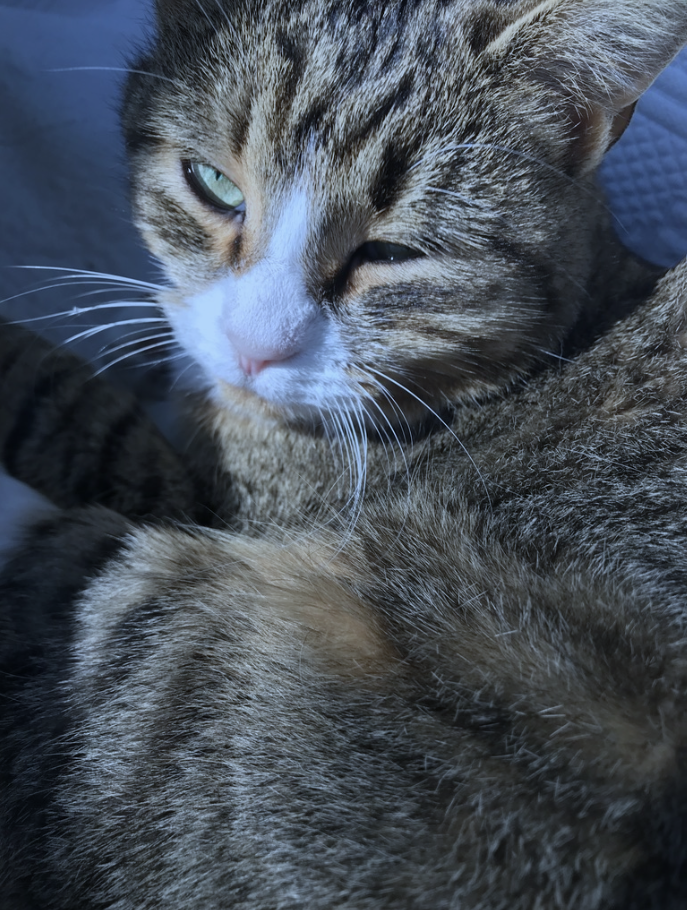
Q: What might coyotes and cats have in common?
A: If you answered Bartonella, take a victory lap! But -
Do so speedily - coyotes run fast. (Now Read on for more details on this zoonotic phenomenon.)
Possible Cause of Endocarditis in Humans
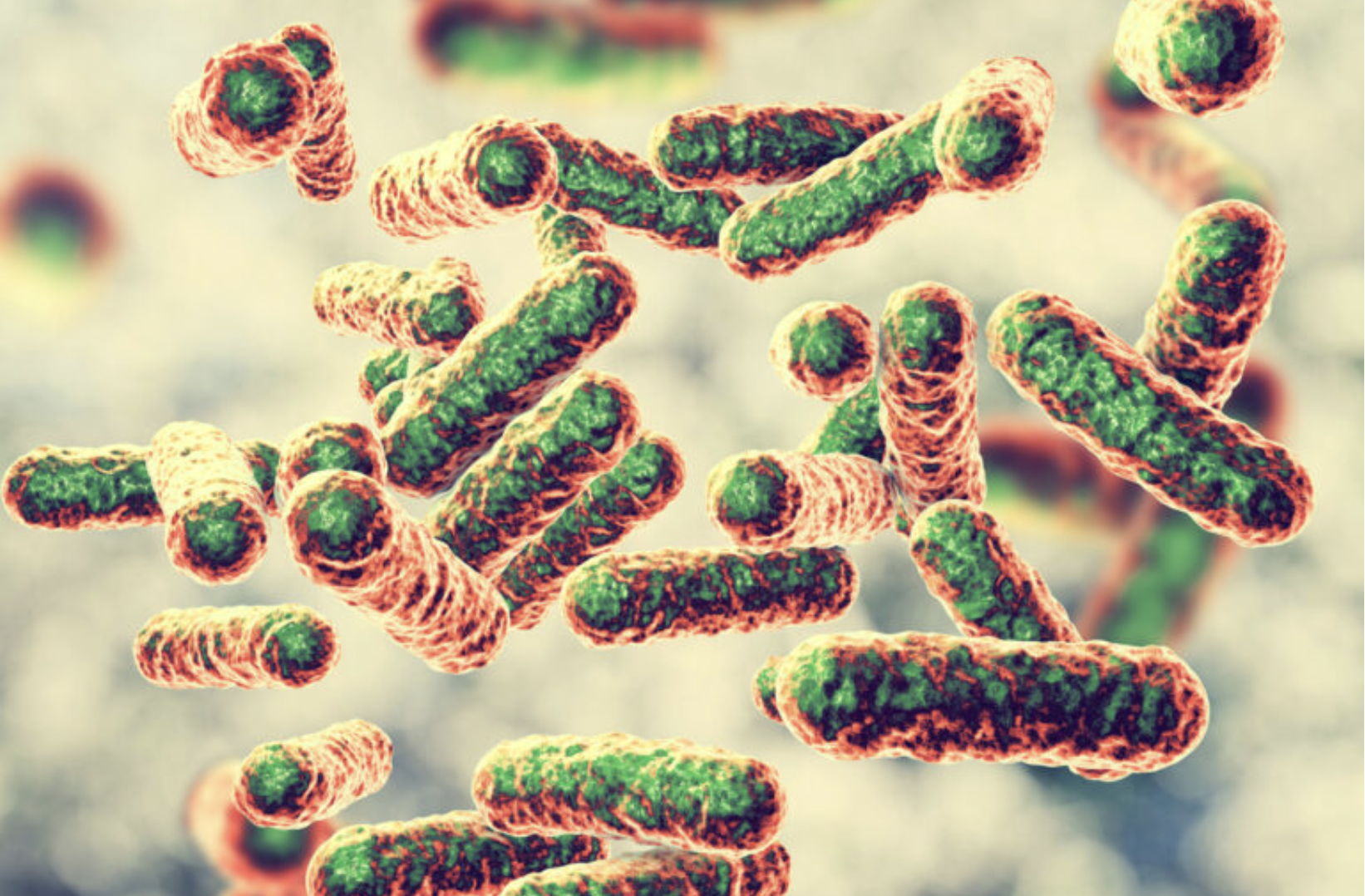
BARTONELLA SPECIES are small, gram-negative bacilli that have been shown to cause endocarditis. Currently, Bartonella quintana, the agent of trench fever, and Bartonella henselae, the agent of cat-scratch disease, are the major causes of Bartonella endocarditis. Single cases of endocarditis caused by Bartonella elizabethae and Bartonella vinsonii subspecies berkhoffii have also been reported. [Arch. Intern Med January 27, 2003;163;(2):226-230]
Q. Do Ticks transmit Bartonella Infectons?
A. Maybe/possibly/maybe not.
Bartonella are mainly spread to people by fleas, body lice, sand flies (known as vectors), or contact with flea-infested animals. Some say ticks may also be vectors, but ongoing research has not clarified the story.
Nonetheless, several of our current patients have tested positive for bartonella (usually through the Palo Alto lab known as Igen X) and have been treated by physicians with antibiotics for the disease. So here’s an update for our clinic and our patients.
There are more than 20 known species of Bartonella bacteria, but not all of them cause bartonellosis. Three species that cause bartonellosis are Bartonella henselae (causes cat scratch disease), Bartonella quintana, and Bartonella bacilliformis (causes South American bartonellosis).
Cat Scratch Disease
Cat-scratch disease is typically a localized skin lesion with regional lymphadenopathy and is acquired by being scratched by a cat harboring bartonella hensea. It can be treated with Augmentin, Cephalexin, cofadroxil, Bactrim and clindamycin.
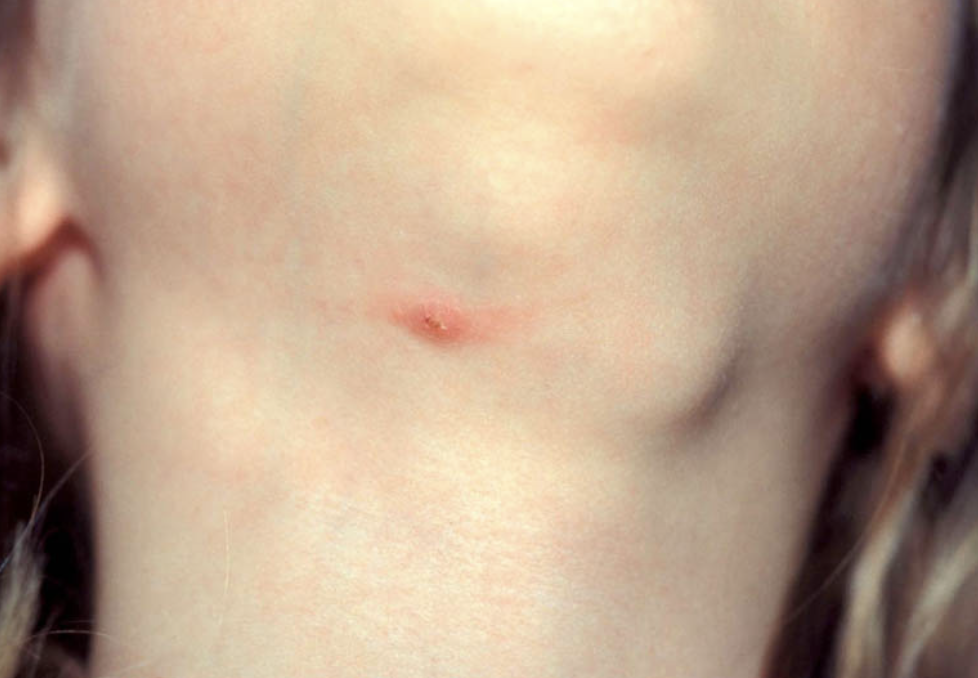
Cat scratch and associated lymph node enlargement. [CDC]
Rarely, CSD with ocular bartonellosis manifests as Parinaud’s oculoglandular conjunctivitis and intraocular inflammation (uveitis) in the form of neuroretinitis or retinochoroiditis. Neuroretinitis was previously described as Leber’s idiopathic stellate neuroretinitis in 1916.5 It is characterized by optic disc swelling with partial or complete macular star, and occurs in 1%–2% of patients with CSD.
Neuroretinitis in association with serologic evidence of Bartonella infection was documented in 1994. [National Library of Medicine, NIH]
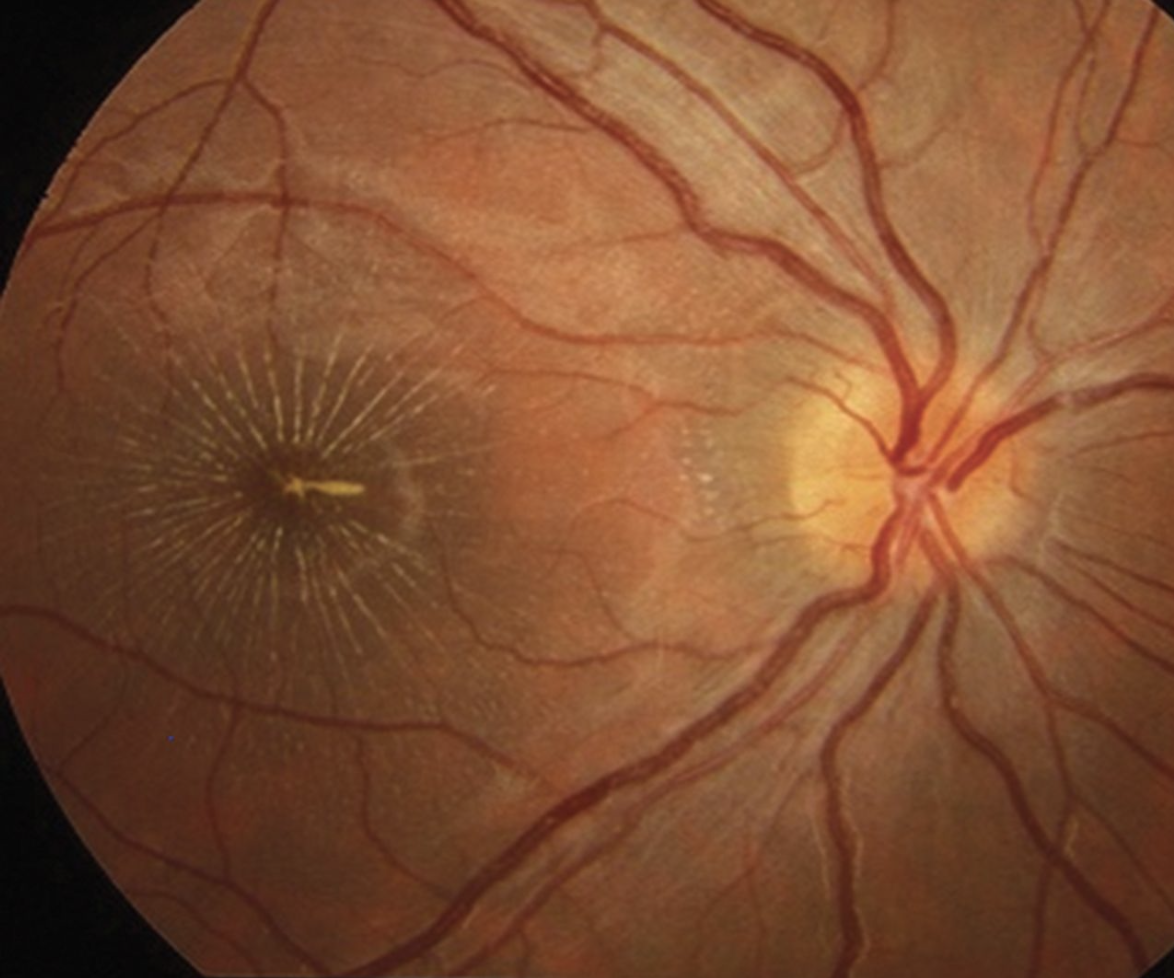
Note stellate retinal lesion [pn.bmj.com]
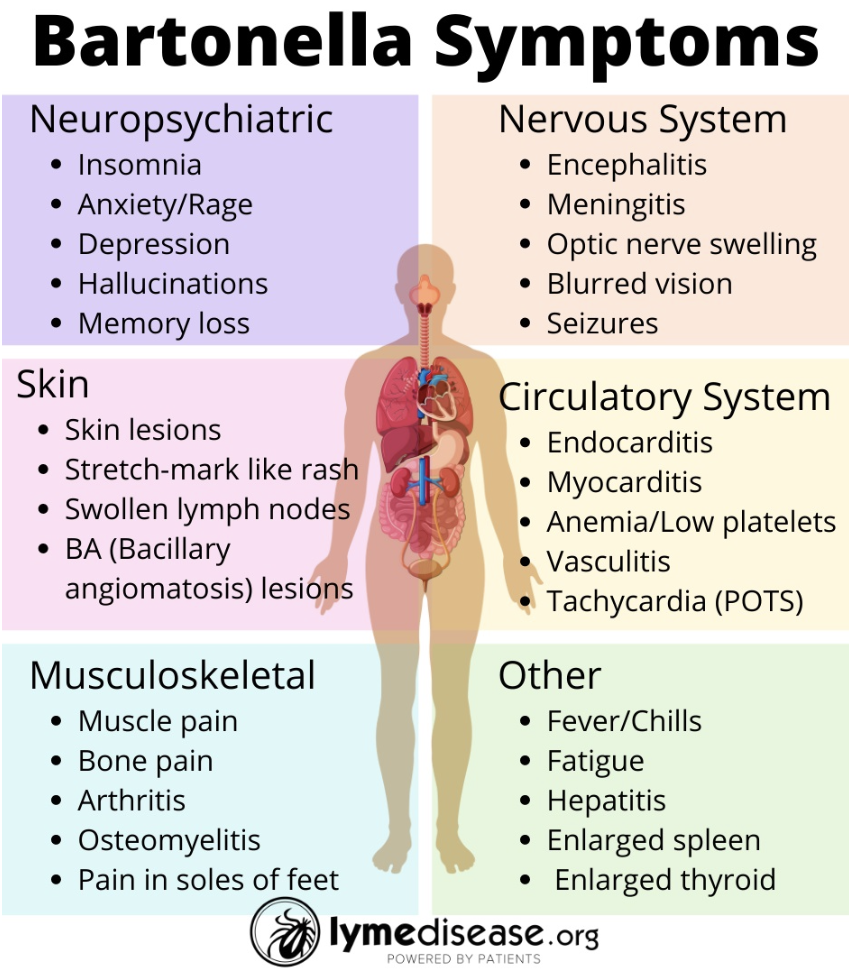
Individuals with compromised immunity are predisposed to the more severe forms of bartonella
infection. Disseminated infection may involve the liver, spleen, eye, bone, or central nervous system. It can also cause culture-negative endocarditis, bacillary angiomatosis, and bacillary peliosis. Spreads to people by the scratch of cats that have been infected by fleas. Cat Scratch Disease occurs worldwide and infects people who interact with cats that have fleas.
Bacillary angiomatosis is a vascular proliferative infection. It occurs particularly in people with advanced HIV, commonly when the CD4 count is below 100 cells/microL. In this population, the principal organisms are Bartonella henselae and
Bartonella quintana.
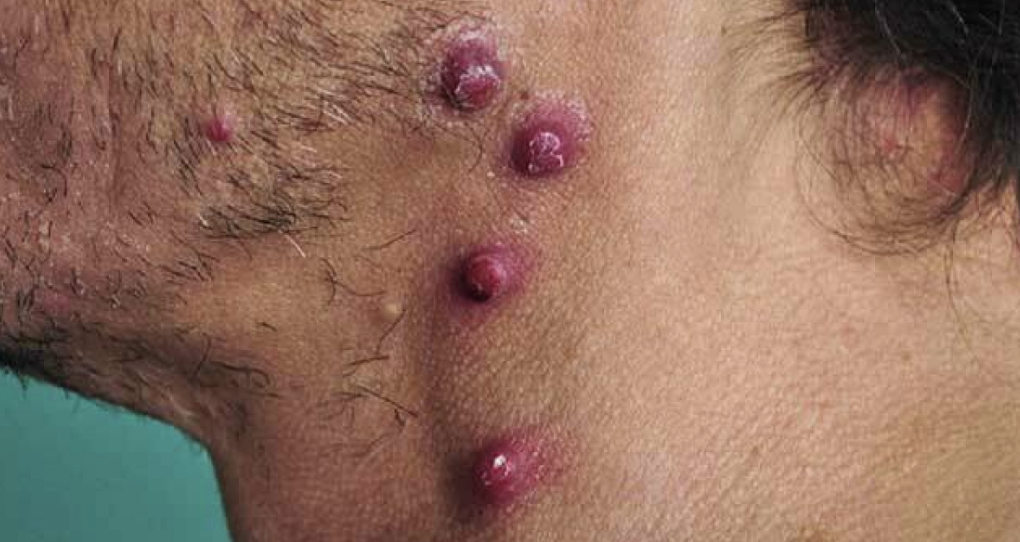
[Photo from Derm NEt]
Presentation: Red-to-purple papules, nodules, plaques, or pedunculated lesions that may be friable and bleed after trauma. Other sites: Bone, lymph nodes, respiratory tract, and gastrointestinal tract may be involved. Important mimics: Kaposi sarcoma, pyogenic granuloma, hemangioma, and several infectious skin lesions. Dx usually requires biopsy of an affected site, with histopathology and organism detection by PCR, culture, or special staining. Serology alone is not definitive. [Uptodate]
Bacillary Hepatic Peliosis
The pathogenesis of peliosis hepatitis is unclear, but probably involves hepatocellular necrosis and injury to the sinusoidal endothelium. One theory suggests that focal areas of hepatocellular necrosis destroy the reticulum framework thereby leading to central or peripheral hemorrhage. The area of necrosis can either heal or form a cyst, which can eventually develop an endothelial lining.
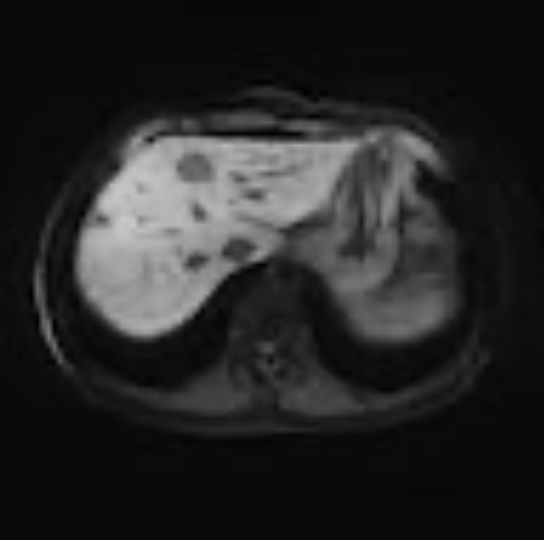
Check out the blood filled spaces on CT!
Direct endothelial cell injury may also have a role in the development of peliosis hepatitis. There is a potential for sudden death when a patient with the condition abruptly experiences massive bleeding into the cysts, resulting in shock. [PathologyOutlines.com]
Trench Fever
Bartonella Quintana can cause Trench fever, chronic bacteremia, and culture-negative endocarditis.
History — During World War I, B. quintana infection emerged as a major source of morbidity among soldiers and was commonly referred to as trench fever. More than a million soldiers developed trench fever, and military physicians established the War Office Trench Fever Investigation Commission. This group identified the causative organism and determined that the human body louse was the vector for the infectious pathogen.
During World War II, a significant, but less extensive, trench fever epidemic occurred. Subsequently, endemic and sporadic outbreaks of trench fever were reported in the middle part of the 20th century in multiple regions of the world, including Ethiopia (1946), Poland (1949), Mexico (1954), USSR (1960), and Tunisia (1961). [UTD]
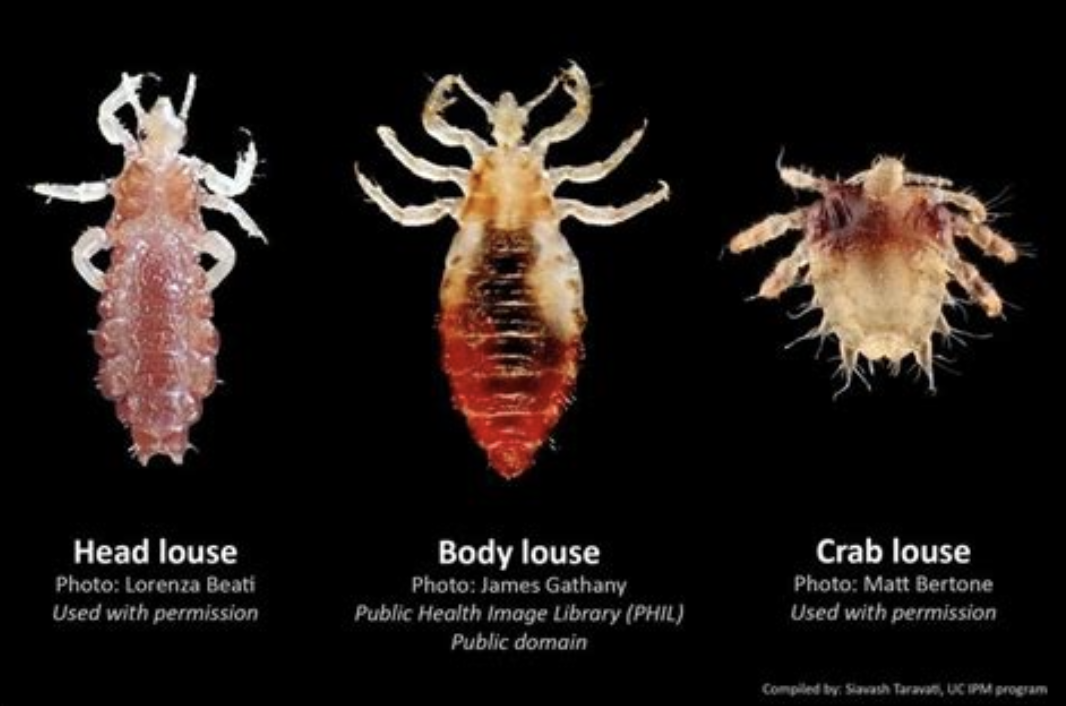
Humans are the main host for B. quintana, and the primary route of spread is via exposure to infected lice. Available data suggest the body louse (Pediculus humanus var corporis) is the predominant vector, although the head louse (Pediculus humanus var capitis) and pubic louse (P. humanus var pubis) can also potentially transmit B. quintana.
Lice become carriers of the organism by feeding on an infected human or other animal reservoir. Noninfected humans acquire the organism from inoculation of infected louse feces into abraded skin or conjunctiva. An infected louse can excrete millions of B. quintana organisms in its feces per day. The bite of the louse does not appear to transmit infection to humans.
Carrion Disease (South American bartonellosis)
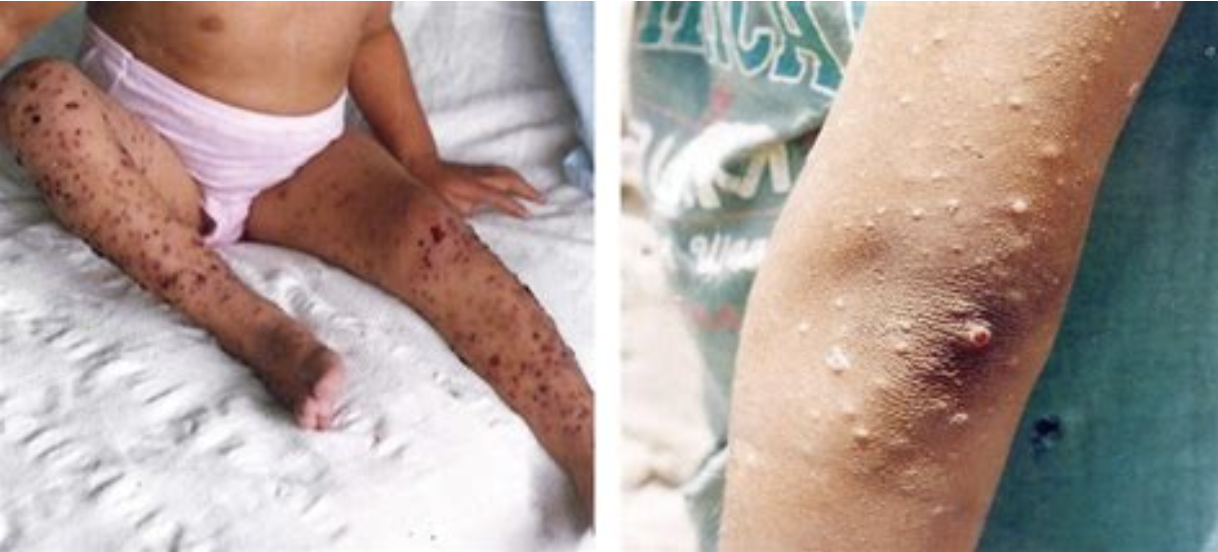
Bartonella bacilliformis causes Carrion disease (South American bartonellosis). It is an acute febrile and hemolytic illness called Oroya fever, sometimes followed by vascular skin lesions called verruga peruana. Carrión’s disease, caused by Bartonella bacilliformis, is endemic to the Andean valleys of Peru, Ecuador, and Colombia. It presents as a biphasic illness: an acute
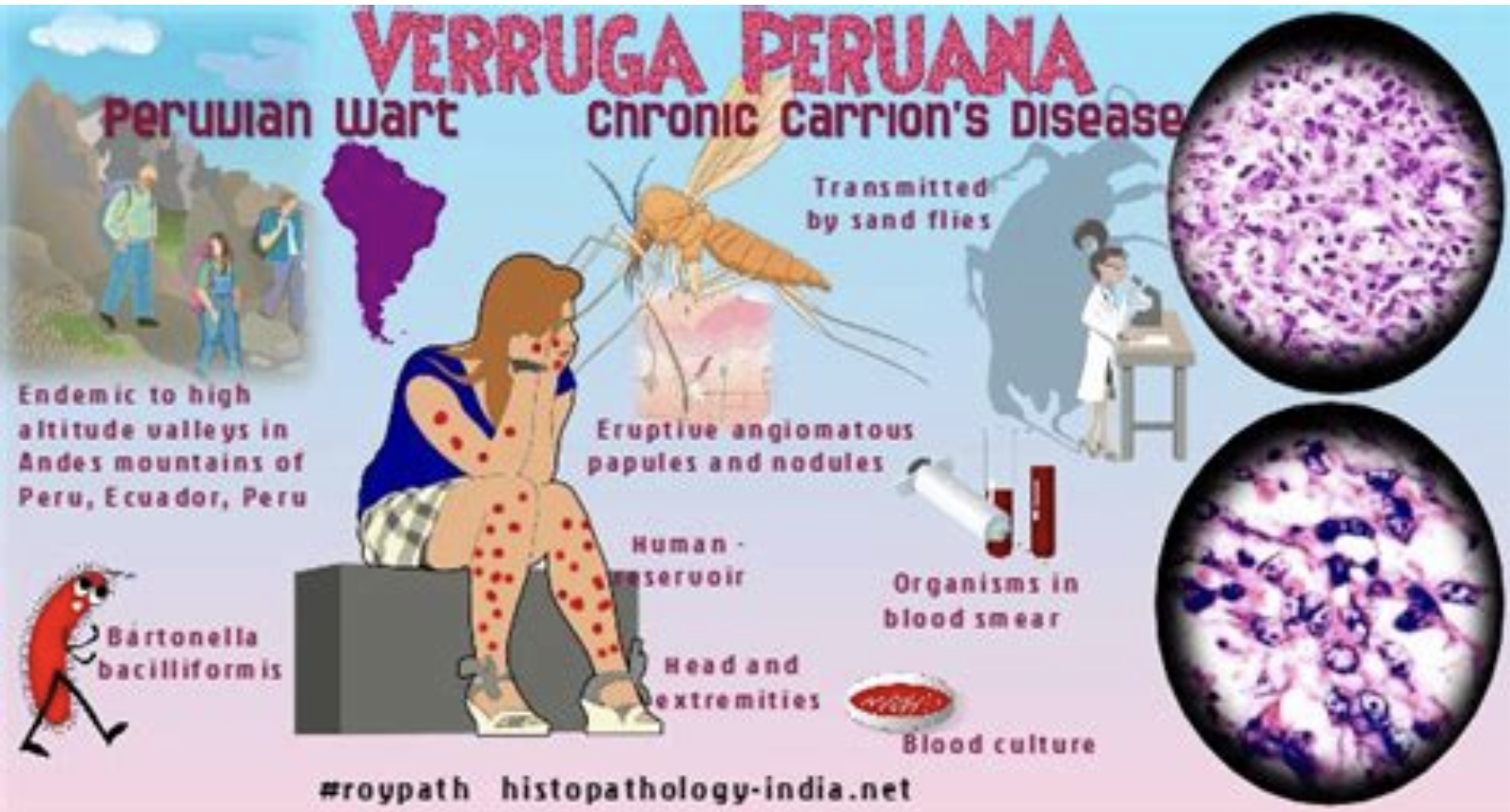
hemolytic phase (Oroya fever) and a chronic eruptive phase (verruga peruana). Historically, these were considered distinct entities. In 1885, Peruvian medical student Daniel Alcides Carrión self-inoculated with blood from a verruga lesion to investigate their relationship, an experiment that confirmed the disease’s biphasic nature but ultimately cost him his life.
Carrión’s self-experimentation induced the acute febrile illness known as Oroya fever, confirming its connection to verruga peruana as sequential stages of a single infectious disease. He documented his symptoms until his death on October 5, 1885. [Volume 106, Issue 3, Supplement 105597March 2026. J. L. Inestigaitons]
Re: Those Coyotes
While coyotes can carry Bartonella bacteria, the risk of transmission to humans is generally lower compared to domestic cats. Awareness of potential exposure, especially in areas where coyotes are prevalent, is important for preventing infections. [CDC]
Bartonella Endocarditis
Infective Endocarditis with Bartonella appears to have a more vigorously destructive inflammatory response than other types of infective endocarditis. Studies of the immunological pathways are detailed here: [Cells. 2023 Dec 25;13(1):43. doi: 10.3390/cells13010043]
Therefore, prompt diagnosis and treatment are critical. By the way, again re: those coyotes, autopsy Studies on California coyotes have shown they too can suffer from bartonella endocarditis. [National Center for Biotechnology Informatioh ttps://www.ncbi.nlm.nih.gov › pmc › articles › PMC4257793]
Final Words on Professor Barton
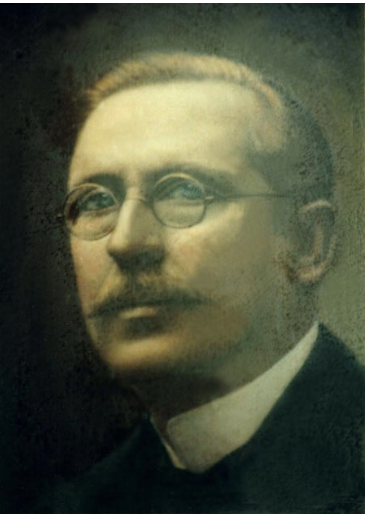
Alberto Barton (1870-1950) was an Argentine- born Peruvian microbiologist who discovered the etiologic agent of Carrion's disease or Oroya fever. The bacteria was named Bartonella bacilliformis, in his honor.
Final Words on Ticks
There is no clear evidence showing Bartonella are spread to people through tick bites. Some laboratory studies show that Bartonella transfers from ticks to animals, but more research is needed to understand if this happens in nature.
Final Words on a Louse
After all these gruesome images and reports, to cleanse the mental palate, I offer some sweet yet “lousy” rhymes by the Scottish Bard Robby Burns, who in church apparently spotted a louse on a young woman and was inspired to write the following verse. (Apparently there is no known Burnsian poem about ticks.)

Robert Burns (1759 - 1796)
Ode to a Louse
Ha! whare ye gaun, ye crowlan ferlie!
Your impudence protects you sairly:
I canna say but ye strunt rarely,
Owre gawze and lace;
Tho’ faith, I fear ye dine but sparely,
On sic a place.
Ye ugly, creepan, blastet wonner,
Detested, shunn’d, by saunt an’ sinner,
How daur ye set your fit upon her,
Sae fine a Lady!
Gae somewhere else and seek your dinner,
On some poor body.
Swith, in some beggar’s haffet squattle;
There ye may creep, and sprawl, and sprattle,
Wi’ ither kindred, jumping cattle,
In shoals and nations;
Whare horn nor bane ne’er daur unsettle,
Your thick plantations.
Now haud you there, ye’re out o’ sight,
Below the fatt’rels, snug and tight,
Na faith ye yet! ye’ll no be right,
Till ye’ve got on it,
The vera topmost, towrin height
O’ Miss’s bonnet.
My sooth! right bauld ye set your nose out,
As plump an’ gray as onie grozet:
O for some rank, mercurial rozet,
Or fell, red smeddum,
I’d gie you sic a hearty dose o’t,
Wad dress your droddum!
I wad na been surpriz’d to spy
You on an auld wife’s flainen toy;
Or aiblins some bit duddie boy,
On ’s wylecoat;
But Miss’s fine Lunardi, fye!
How daur ye do ’t?
O Jenny dinna toss your head,
An’ set your beauties a’ abread!
Ye little ken what cursed speed
The blastie’s makin!
Thae winks and finger-ends, I dread,
Are notice takin!
O wad some Pow’r the giftie gie us
To see oursels as others see us!
It wad frae monie a blunder free us
An’ foolish notion:
What airs in dress an’ gait wad lea’e us,
And ev’n Devotion!