

The Chorus in The Wasps by Aristophanes comprises elderly jurors who briefly resemble wasps in their behavior (Painting: “The Jury” by John Morgan 1861, Bucks County Museum, England).
Not every reader of The Weekly TIck Tidbit is likely to recall from their undergraduate days the satirical comedy “The Wasps” by Aristophanes.
The Wasps follows a son's attempt to stop his father from constantly serving jury duties as it is detrimental to his father's health. The play has contemporary relevance, because Aristophanes satirizes the then current (423 B.C.E.) demigogue of Athens, Cleon, who greatly resembles our current occupant of the White House in trying to control the Athenian judicial system and to attack its dramatists. [Wiki]

Back to Wasps, - creatures - not drama or politics.
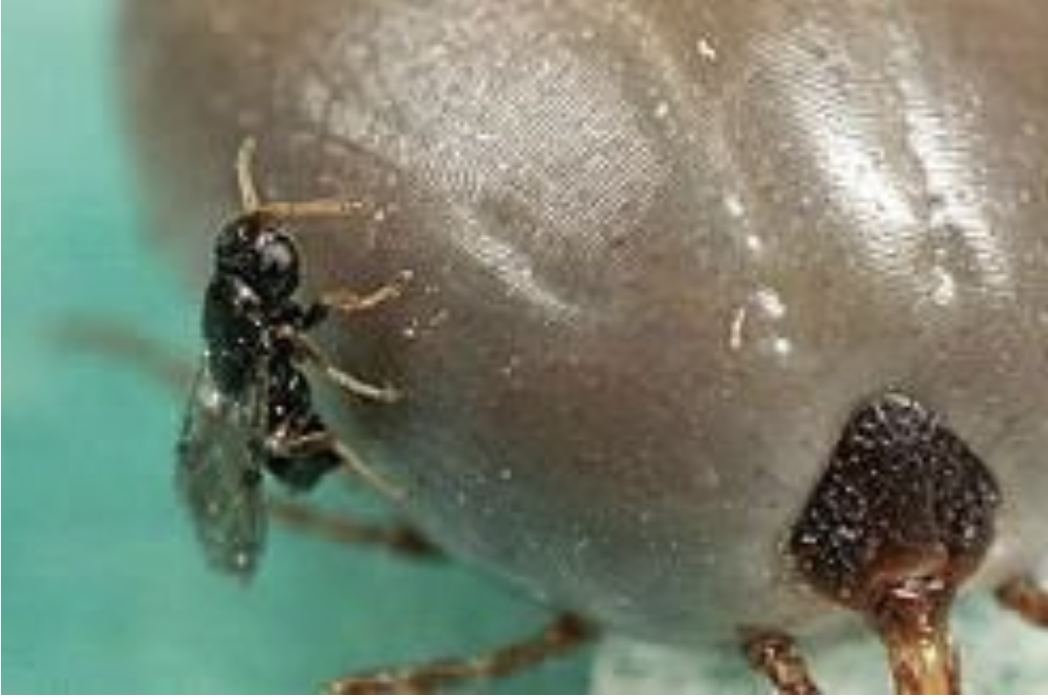
Tick Wasp (Ixodiphagus hookeri)
Ixodiphagus hookeri, the tick wasp, is a wasp which lays its eggs into ticks. It seems to use a symbiotic bacteria, Wolbachia pipientis, to weaken the tick's immune system. A Female habitus. B
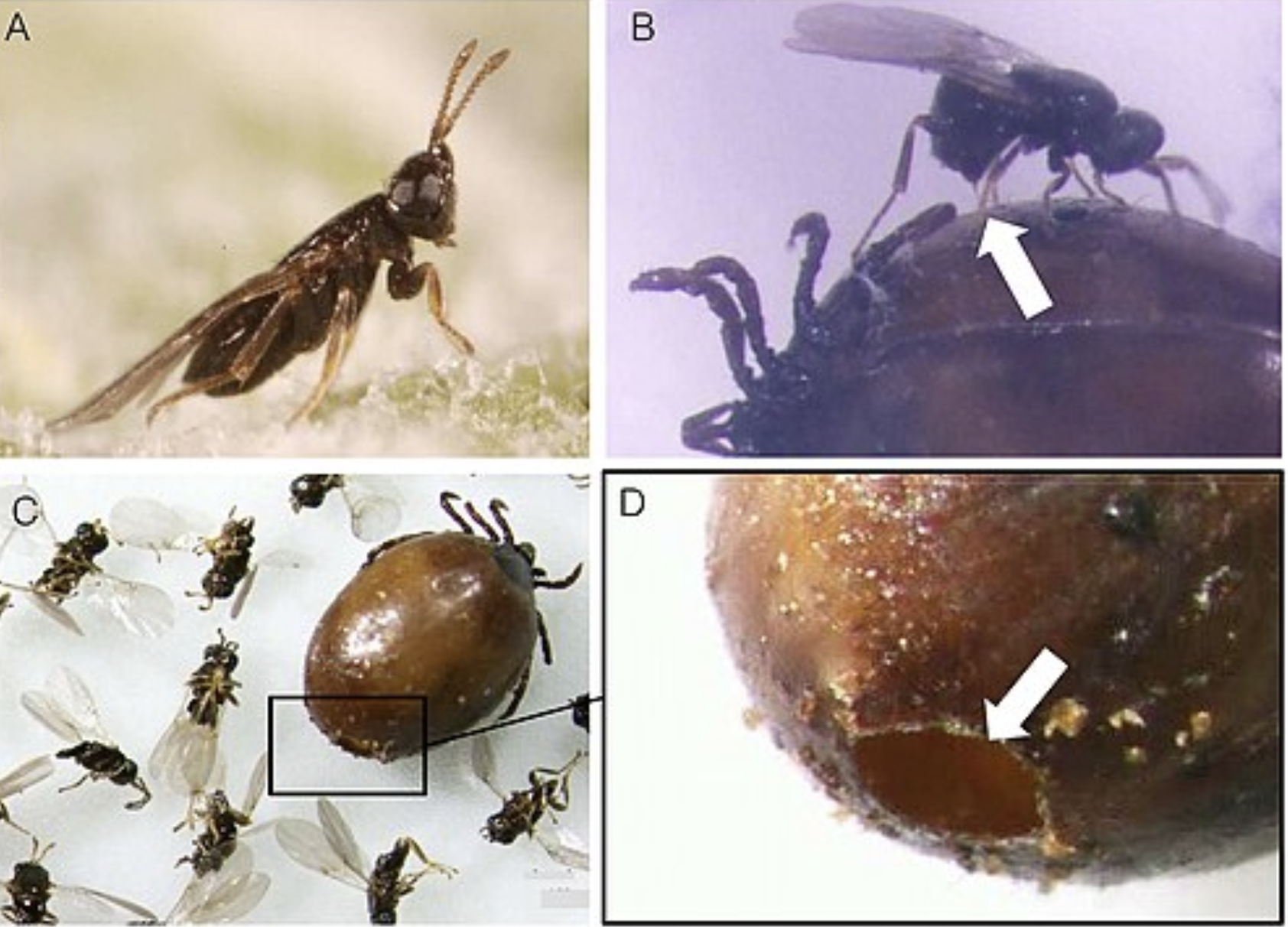
(Above) Ixodiphagus hookeri female ovipositing in an engorged nymph of Ixodes ricinus (ovipositor indicated by the arrow). C Adults of I. hookeri around the dead body of an engorged nymph of I. ricinus. D Emergence hole from which parasitoids exit the dead body of the engorged nymph.
The Ixodiphagus hookeri female normally oviposits an egg into the body of an unfed nymph of Ixodes ricinus, but has been recorded ovipositing in the adults of Rhipicephalus sanguineus. The egg remains in diapause until the nymph engorges on vertebrate blood, at which point the egg becomes active. Some eggs are not successful, as the tick's immune system can encapsulate the egg, which results in the egg becoming melanised (infiltrated with melanin) and dying. The bacteria Wolbachia is symbiotic with the wasp, and its presence in ticks is a possible indicator of infestation by tick wasps; Wolbachia may have a role in suppressing the host's immune system response to the wasp. The wasp larvae then exist in the tick for 28 to 70 days before emerging. [Wiki]
Potential Ecological Role
Tick wasps are being studied as possible tick-control players. As the natural enemy of hard ticks, they offer the potential to reduce tick populations and associated disease transmission. Parasitism rates in natural populations range from 0% to 38% depending on location and year. This may differentially affect transmission cycles of tick-borne pathogens: positive association with deer-associated Anaplasma phagocytophilum, negative association with rodent- associated Borrelia afzelii and Neoehrlichia mikurensis. Considered a candidate biological control agent for tick vectors of Lyme disease and other tick-borne diseases. [https://bugswithmike.com/]
From the U. of Maine Tick Lab: Research and limited releases of a tiny parasitic wasp (Ixodiphagus hookeri) have shown some minor potential for reduction of deer tick populations. Unfortunately, this wasp requires extremely high tick densities to persist, limiting its usefulness as a biological control in most settings.
Other potential Natural Tick Predators [from the U. Of Maine Tick Lab]
Here are some of the most notable Tick Predators:
Mammals
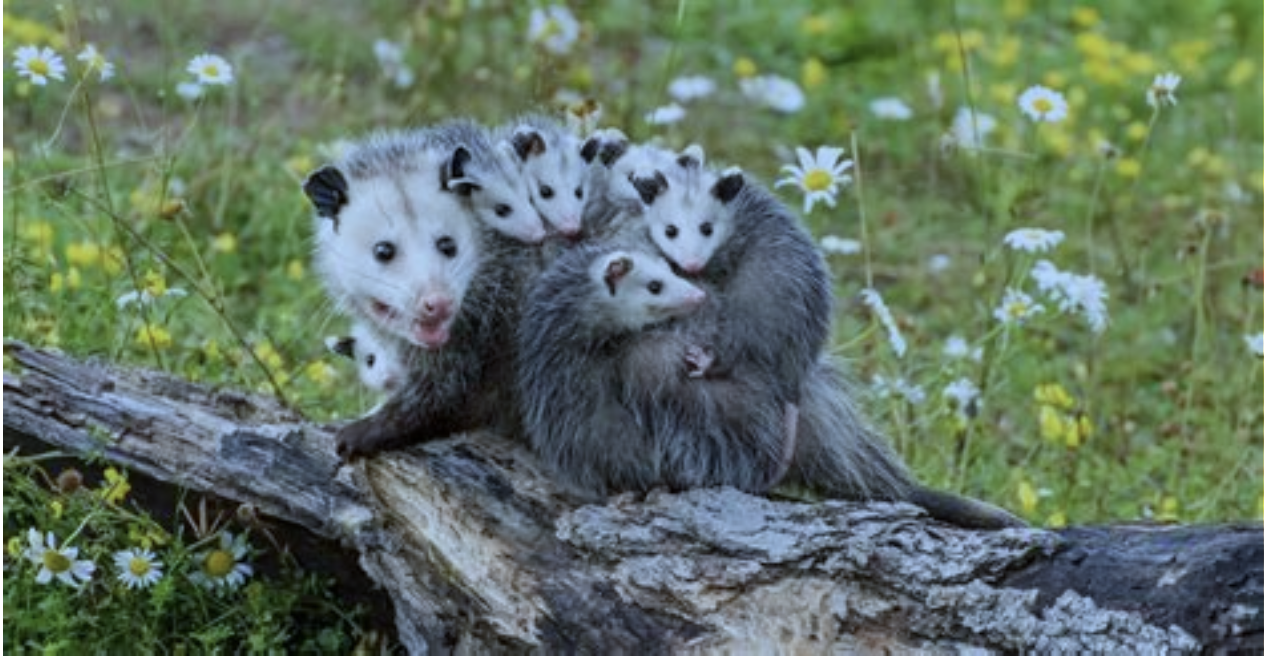
Opossums: Known for their effectiveness, opossums can consume thousands of ticks in a single season while grooming themselves.
Rodents: While some small rodents may eat ticks, they often serve as hosts for ticks, contributing to their spread rather than controlling their numbers.
Birds
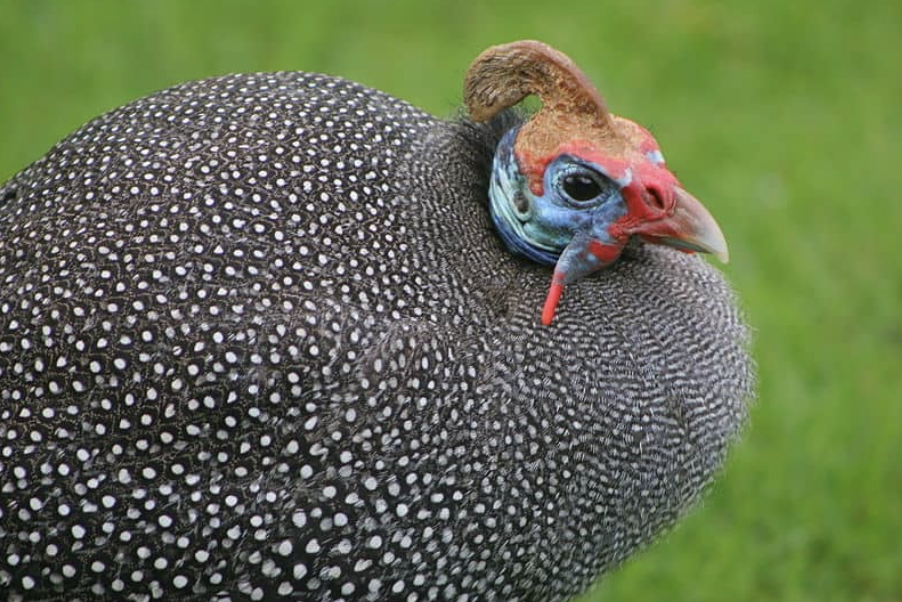
Guinea Fowl: Often used in farming, they forage for ticks but do not significantly reduce tick populations.
Chickens: Free-range chickens can help by scratching the ground and consuming ticks.
Wild Birds
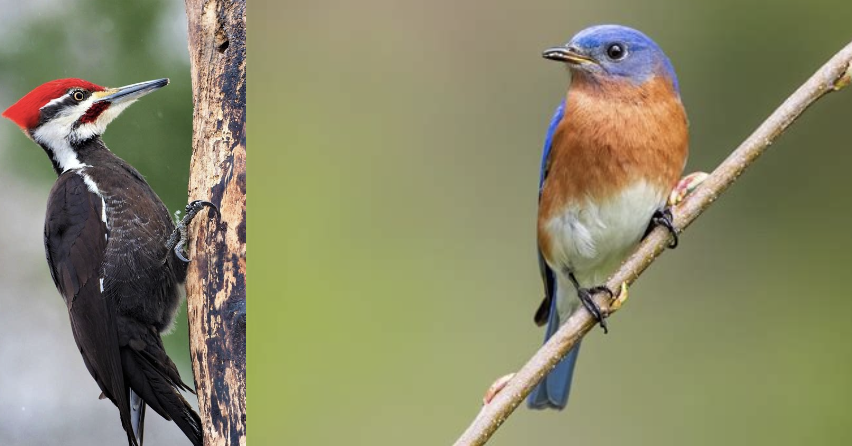
Certain species, such as woodpeckers and eastern bluebirds, will eat ticks opportunistically.
Reptiles and Amphibians
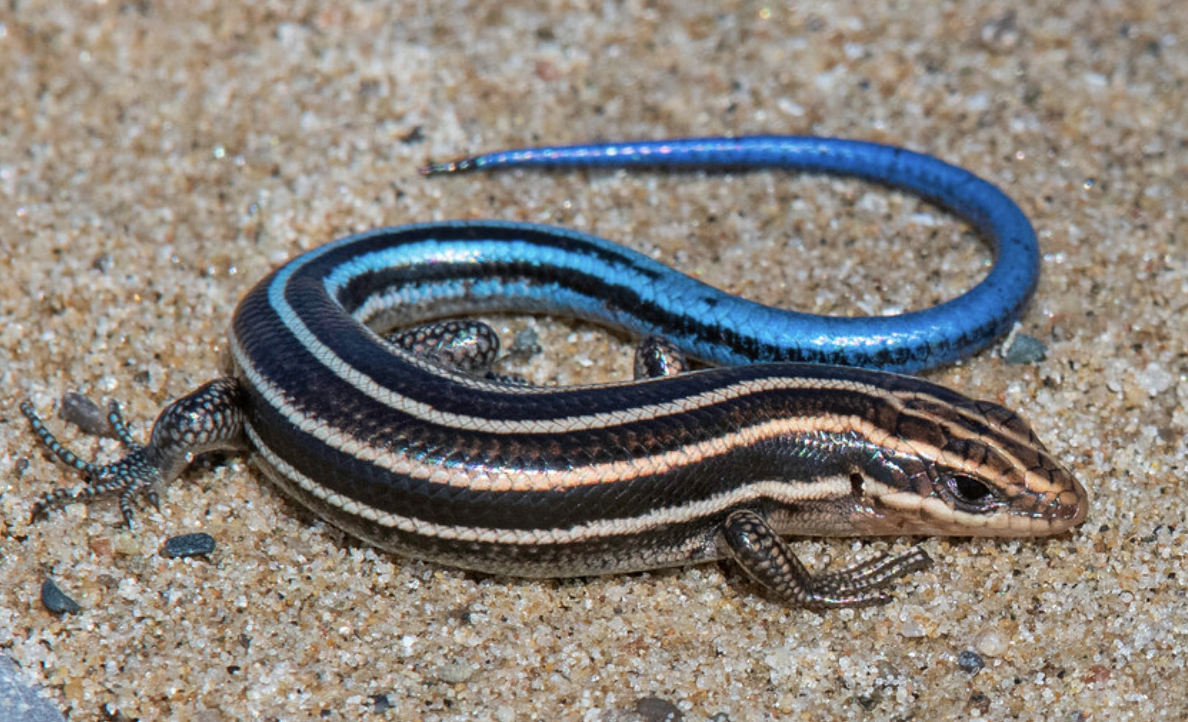
Lizards: Some lizards, like five-lined skinks (above, not native to MV) , consume ticks and can help reduce their prevalence.
Frogs and Toads: While they may occasionally eat ticks, their impact is minimal.
Insects and Arachnids
Spiders: They may capture ticks in webs or prey on them directly, but this is not common.
Ants: Some species feed on tick eggs and larvae when they encounter them.
Take-Home about the Tick Wasp
The jury may still out on the research. but it seems very unlikley that we’ll get a whole lot of help from the Tick Wasp in our island’s ongoing battle anytime soon. Now, feel free to dust off that ancient volume and get back to some of that juicy satire in Aristophanes.