
Rocky Mountain Spotted Fever & historical background on the remarkable man who discovered its cause.
The disease was named Rocky Mountain spotted fever as the disease was first discovered in that part of the U.S., however there are few cases in that part of the country today. Most cases of RMSF in the U.S. occur in the southeastern part of the country, including Delaware, Maryland, Washington D.C., Virginia, West Virginia, North Carolina, South Carolina, Georgia, and Florida. The most cases of RMSF are found inNorth Carolina and Oklahoma. Other than Antarctica, RMSF can be found in nearly all parts of the world. The disease occurs seasonally, mostly from April through September in the US. While anyone can be infected, children under 10 years ofage are at highest risk.
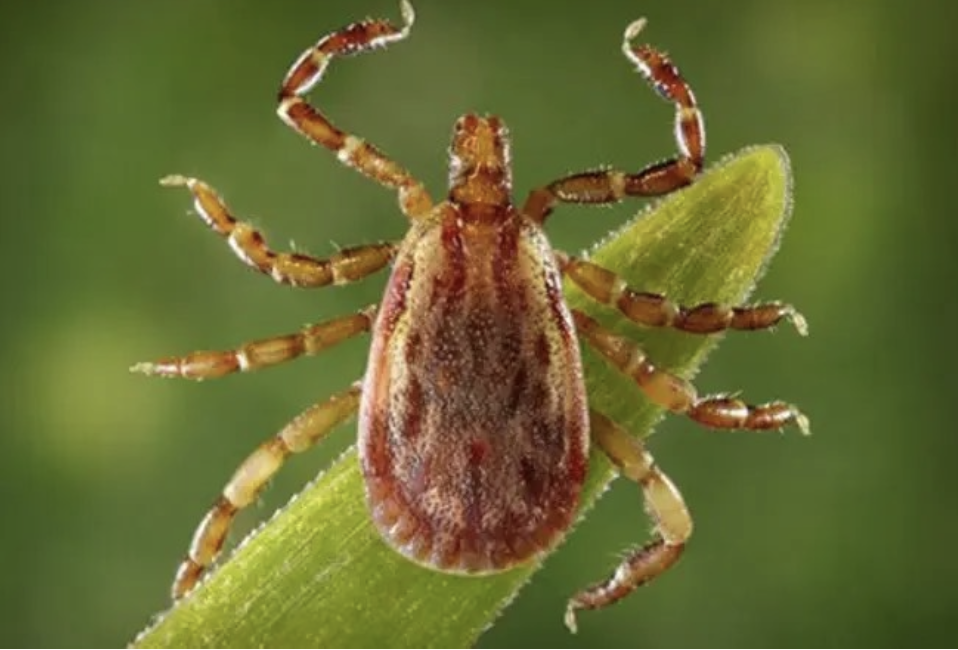
Rocky Mountain spotted fever (RMSF) is an illness caused by infection with the bacterium Rickettsia rickettsia, which is transmitted by a bite from infected ticks.
The primary vectors for RMSF in the U.S. are the American dog tick (Dermacentor variabilis), the Rocky Mountain wood tick (Dermacentor andersoni), and the brown dog tick (Rhipicephalus sanguineus).
Symptoms
Rocky Mountain spotted fever usually occur about five to 10 days following the tick bite, and include fever, nausea, vomiting, muscle pain, loss of appetite, and headache. As the disease progresses, symptoms may include rash, abdominal pain, joint pain, and diarrhea. The disease can be severe and most patients need to be hospitalized.
Treatment
Doxycycline is the first-line treatment for Rocky Mountain spotted fever (RMSF) and is effective for patients of all ages, including children and pregnant women. Treatment should begin as soon as RMSF is suspected, ideally within the first few days of symptom onset, to reduce the risk of severe complications. Chloramphenicol is also occasionally used
How did Rickettsia get its name?
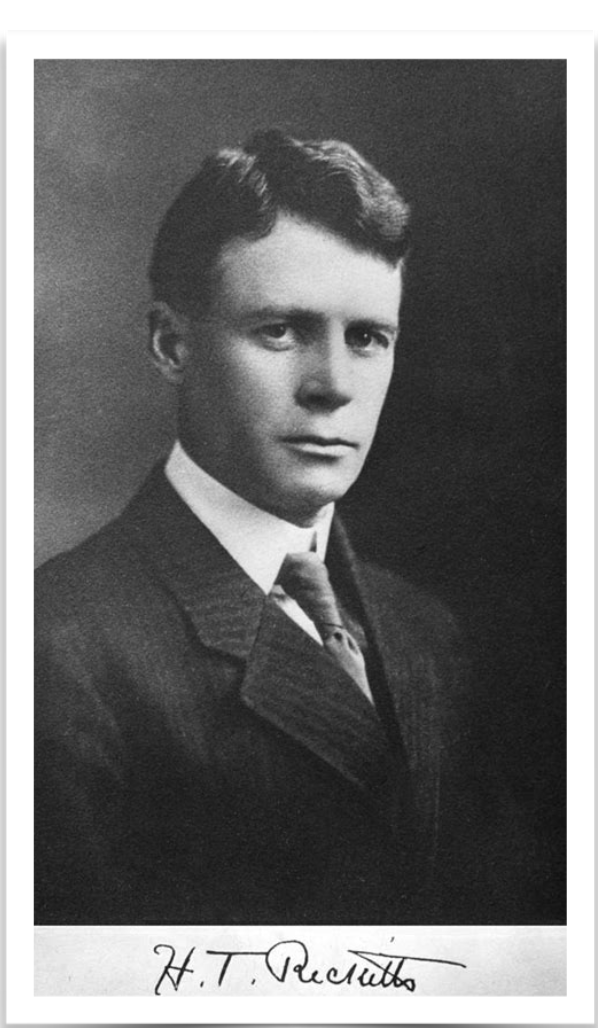
Howard T. Ricketts (born February 9, 1871, Findlay, Ohio, U.S.—died May 3, 1910, Mexico City, Mexico) was an American pathologist who discovered the causative organisms and mode of transmission of Rocky Mountain spotted fever and epidemic typhus (known in Mexico, where Ricketts worked for a time and died of typhus, as tabardillo).
Ricketts graduated in medicine from Northwestern University, Chicago, and in 1902 joined the faculty of the University of Chicago. In the spring of 1906 he demonstrated that Rocky Mountain spotted fever could be transmitted to a healthy animal by the bite of a certain tick. Two years later he described the causative microorganism; he found it in the blood of the infected animals and also in the ticks and their eggs. After a typhus outbreak in Mexico City in 1909, the Mexican government invited Ricketts to Mexico to help isolate the carrier of the strain of typhus that was ravaging the city.
Ricketts arrived in December 1910, and he and Russell Wilder, his graduate student assistant from the University of Chicago, spent four months conducting tests on a small population of laboratory monkeys. Ricketts confirmed that, as he suspected, lice were transmitting typhus inMexico.
Tragically, just before he was to return to Chicago, Ricketts himself contracted the disease he had come to Mexico to battle. Ten days later, on May 3, 1910, he passed away in the American hospital in Mexico City. The Porfirian administrator Justo Sierra sent his condolences to Ricketts's wife Myra, and the Mexican government honored him with a casket ribbon. Before he succumbed to typhus in 1910, Ricketts showed that the disease could be transmitted to monkeys, which, after recovering, would develop immunity to the disease.
In memory of Ricketts, the genus Rickettsia was established for the causative organisms of Rocky Mountain spotted fever and epidemic typhus that he had identified.
Personal Observation about RMSF
Over the years our clinic has seen a syndrome in gardeners and landscapers of an almost sub-clinical presentation of low grade fever, feelings of malaise, headache and brain fog and no rash. When we draw a tick panel, it occasionally shows a positive rickettsia titre. So I think it’s a variation on RMSF - not as critical but still Rickettseial. Responds nicely to doxycycline.
______________________
Bonus Nutshell Info on Typhus
Typhus is a group of infectious diseases caused by specific types of bacteria. These bacteria are transmitted to humans through bites from infected insects. The main types of typhus and their causes are as follows:
Types of Typhus and Their Bacteria
Epidemic Typhus: Spread through bites from infected body lice. The lice become infected after feeding on a person who has the bacteria. Treatment: doxycycline.
Murine Typhus: Transmitted via flea bites, particularly from fleas that infest rats and cats. The bacteria can enter the body through scratches or bites. Treatment: doxycycline.
Scrub Typhus: Caused by bites from infected chiggers, which are tiny mites. The bacteria are introduced into the body through the bite site. Treatment: doxycycline.