
The Big Three Species
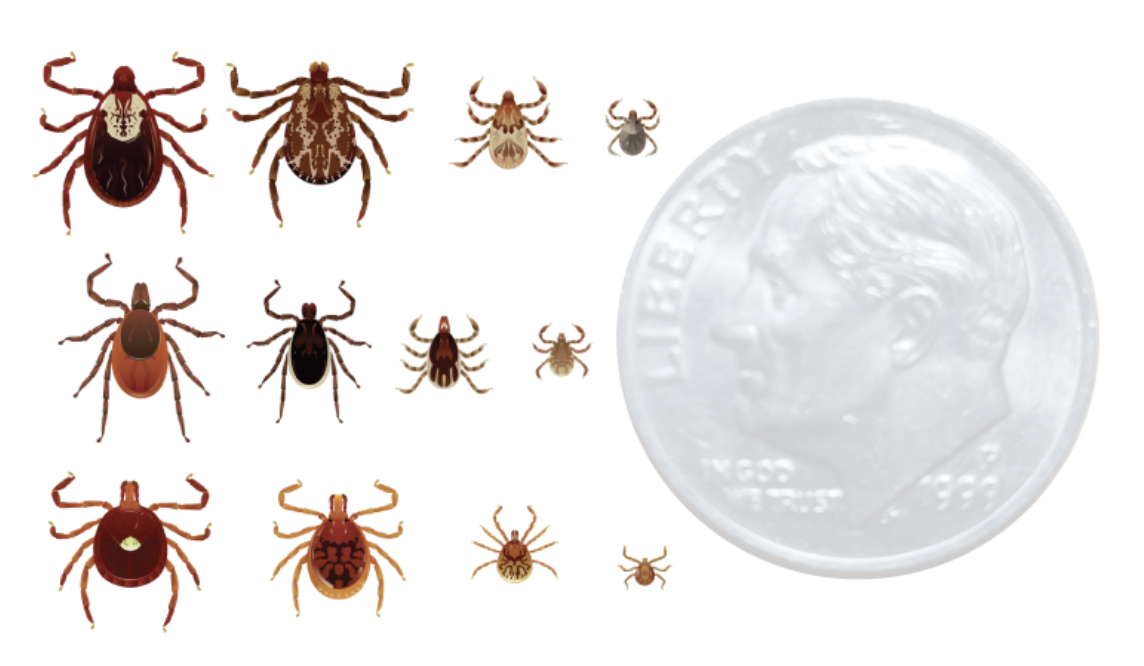
Life Stages
(Each row shows an adult female, adult male, nymph, and larva of a species.)
Top row: American dog tick
Middle row: Blacklegged (deer) tick
Bottom Row: Lone star tick
4 Tick Nuggets to Remember:
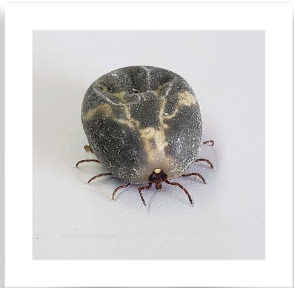
1 - When fully fed, an adult female blacklegged (deer) and/or lone star tick can be as large as a raisin.
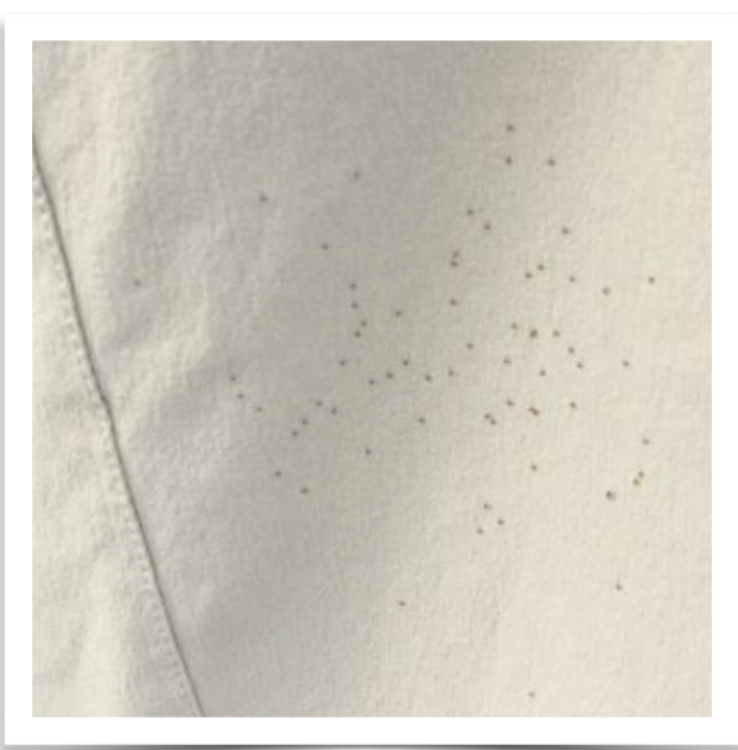
2 - Tick larvae are very small. Blacklegged and lone star tick larvae are about the size of a grain. Tick larvae have only six legs.
3 - Tick nymphs have 8 legs. They are about the size of a poppy seed, small enough to be easily overlooked. This makes nymphs the most dangerous life tick stage for humans enjoying the outdoors.
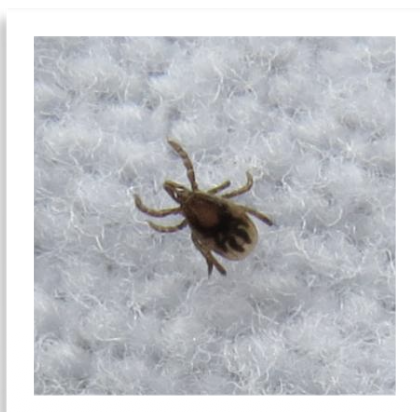
4 - Unfed ticks are flattened, teardrop-shaped. Adult ticks have 8 legs.
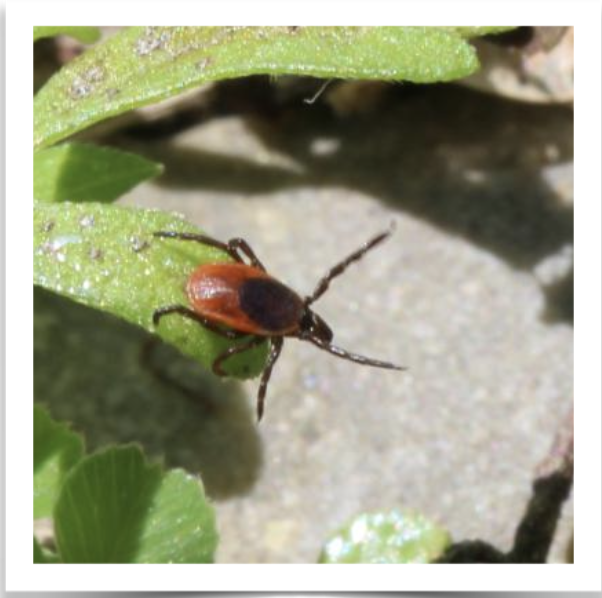
Questing adult female blacklegged (deer) tick
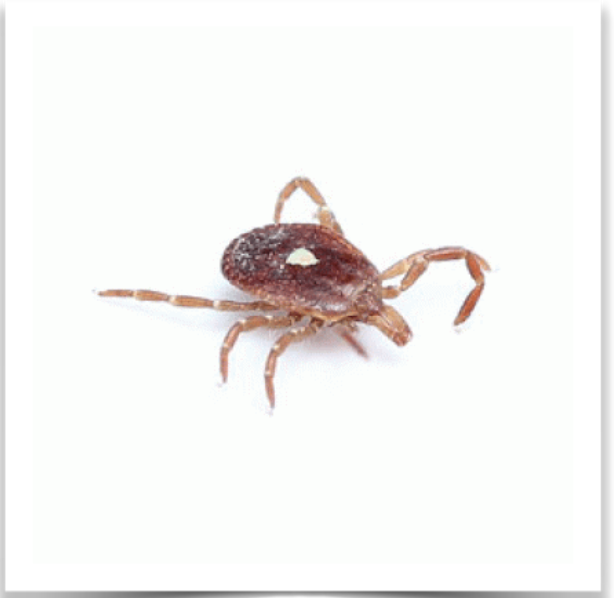
Unfed adult female lone star tick
Ticks’ Favorite Environments:
The blacklegged (deer) tick requires high humidity or moisture to survive. Therefore, this tick is most often found in the forest and at the forest edge where tree cover, dense vegetation, and leaf litter provide a moist environment.
The American dog tick can survive in warm, dry locations such as roadsides, trails and lawns.
The lone star tick is able to survive in a wide range of habitats from the shade of the forest to the sun of a lawn. This tick is tough!
What Diseases do the
Big 3 Species Carry?
Deer ticks can carry Lyme disease, anaplasmosis, babesiosis and Powassan virus (extremely rare).
Dog ticks can carry Rocky Mountain spotted fever and other rickettsial diseases as well tularemia. They are not known to transmit Lyme disease.
Lone Star Ticks can cause alpha-gal syndrome by stimulating an allergic reaction to their saliva. They also can carry ehrlichiosis, heartland virus disease, bourbon virus, southern tick- associated rash illness (STARI), and tularemia. They are not known to trasmit Lyme disease.